Side Effects of Sitting All Day to Your Health

Every day, do you always sit in your office chair for eight hours and then spend the rest of the afternoon on your living room couch? If so, you tend to have several health issues. In addition to being a significant cause of many physical health problems, sitting every day also affects your mental health. A quality sit stand desk will reduce any risks of getting health issues if you sit all day in the office. However, if your desk and chair have no proper shapes, the risks will get much worse. Here are some side effects of sitting all day on your health

Side Effects of Sitting All Day to Your Health

Obesity

Moving our body and muscles helps our body to discharge lipoprotein lipase. It allows smoother process sugars and fats to be burnt. On the other hand, sitting more than six hours a day reduces lipoprotein lipase activity, negatively affecting the body’s ability to burn fat. Thus, it increases the stored fat in your body and encourages the use of carbohydrates instead of fat. Not surprisingly, it contributes to weight gain.

Cardiovascular Diseases

Barely moving all day contributes to poor blood circulation. When the body burns fat and inadequate blood flow, there is a greater chance that fatty acids will block blood vessels. It leads to elevated cholesterol, high blood pressure, and cardiovascular diseases. According to a Harvard Health Publishing blog, people who sit for 10 hours or more a day have an 18% higher risk of a heart attack than people who sit less. So, sitting all day can cause severe disease hence you should be more aware of.

Diabetes

Physical inactivity, such as sitting for long periods, is an essential factor in diabetes. It is because loss of muscle mass and strength can lead to decreased insulin sensitivity. Cells are slow to respond to insulin. Besides, the human body’s insulin sensitivity is inversely proportional to the onset of diabetes. Diabetes will also lead to other various diseases which you should prevent.

Weak Muscles

Sitting, whether at work, at home, or while driving, loosens and weakens muscles, especially in the waist and lower body. If you sit all day, you are not using your lower body. It contributes to muscle atrophy. It affects the thighs, buttocks, and spine and can put you at risk. These muscles are responsible for strengthening your body when you jump or walk.

Anxiety and Depression

As mentioned above, the unwanted effects of a sedentary lifestyle are not limited to your physical well-being. They are also capable of affecting you emotionally. Many theories explain this fact. The first example of this issue is sedentary activities, such as playing video games, working on the PC, and watching TV. Aside from that, people constantly excite the nervous system, leading to an increased risk of stress. Also, people who spend most of their time sitting miss out on physical activity’s emotional health benefits and therefore feel anxious and unhappy. Furthermore, people who sit in front of a computer or television for hours on end limit exposure to sunlight and social interaction, contributing to vitamin D deficiency and feelings of isolation.

Chronic Body and Back Pain

No matter how hard you try not to recline at the office, sitting for hours inevitably leads to a host of neck, shoulder, back, and buttock problems. Sitting causes your hip flexors to shorten, your back discs to compress, and your shoulders and neck to become stiff and hunched. It causes the spine to lose flexibility and the pelvis to move outward, leading to poor posture and body discomfort. People tend to lean forward when sitting unsupported, which can cause their lower backs to round. It disrupts the natural curvature of the spine and leads to chronic low back pain.


Related Post

Scientific Guide on Salt Therapy

Scientific Guide on Salt Therapy

Instead of taking standard treatment, many scientists believe that natural treatment is the best way to cope with any health issues. Among other natural treatments, salt therapy is getting popular these days due to its effectiveness in treating respiratory diseases. You will know the reasons why after you read an article at https://www.nailsmag.com/382553/know-your-spa-treatments-dry-salt-therapy. Now, let’s take a look further at how scientists believe salt therapy is good for you.

Scientific Guide on Salt Therapy

Overview of Salt Therapy

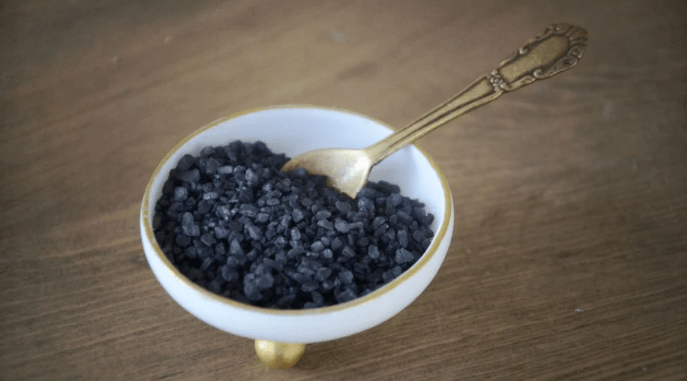
Todays, a well-known natural treatment is salt therapy. The negatively charged ions in salt (which can be found in regions such as palaces or the coast) have been shown to reduce mucus and inflammation in the lungs. The concentration of salt in human blood is now 0.9% by volume. However, scientific research showed that the amount of salt inhaled during the therapy is way less than the recommended daily salt intake hence it makes salt therapy is safe for our body.

History of Salt Therapy

Scientific Guide on Salt TherapySpeaking of the history of salt treatment, it has been used for centuries. The first use of salt therapy refers back to the Yogis’ religious practice called “Neti.” This practice was performed for preparation for meditation and prolonged yoga to open and clear airways of breathing. Along with mucus, they keep human airways free of dust and pollen. Krueger and Smith exposed sensitive tracheal tissue to negative ions. This accelerated cilia movement to 1,200 beats per minute and improved blood flow.

Scientific Research on Salt Therapy

Mucus secreted in the lungs protects them from freezing viruses, parasites, and germs. However, if lung mucus is not removed, it becomes toxic, reduces the number of cells and blocks the airways. For this reason, occasional exercise (halotherapy or sodium treatment) is essential to increase lung function. “Surprisingly, scientists have found that bacteria have enough collective or chemical understanding to develop and form smart colonies. These types of smart germs are called biofilms.”

In the lungs, bacterial biofilms are multicellular germs and are anaerobic, meaning they cannot live in an oxygen-rich atmosphere. They form a number of ecological niches, and the biofilm also protects against toxins and antibiotics (dangerous substances; negatively charged ions in this scenario). Therefore, the dissolved biofilm structure in the lungs could be eliminated.

Benefits of Salt Therapy

Saline therapy does more than make the lymphatic system visible. It suppresses the development of germs and kills them under certain circumstances. The phagocyte activity can increase. By masking germs’ growth, it’s much harder for them to multiply and infect your system. As a result, you’ll have fewer colds and illnesses because your body will be so efficient. All in all, these added benefits of salt therapy will only improve your life wellness.

The Importance of Simulation Infrastructure in Healthcare Providers

Given that most college students across the country have moved from for-profit training to online digital training, this strategy is not essential for some. Sooner or later, after we see that physicians are overworked, that a significant number of health care workers are getting sick, or that coronavirus is a problem, we simply can’t be in a position to have a lag in our ability to inject new workers into the IT system. Fortunately, healthcare simulation is developing rapidly to address this educational gap. You can learn more about it at has-sante.fr. New healthcare workers must provide livelihoods at a time when our healthcare system is under extreme stress.

Healthcare Simulation

Overview of Healthcare Simulation

Supplement or enhance real-world experiences with guided exercises that evoke or interactively reproduce critical real-world features. Simulation in healthcare uses many different tools, from immersive or near-replicative healthcare environments that include virtually everything in a real-world clinical setting to enhanced virtual healthcare environments.

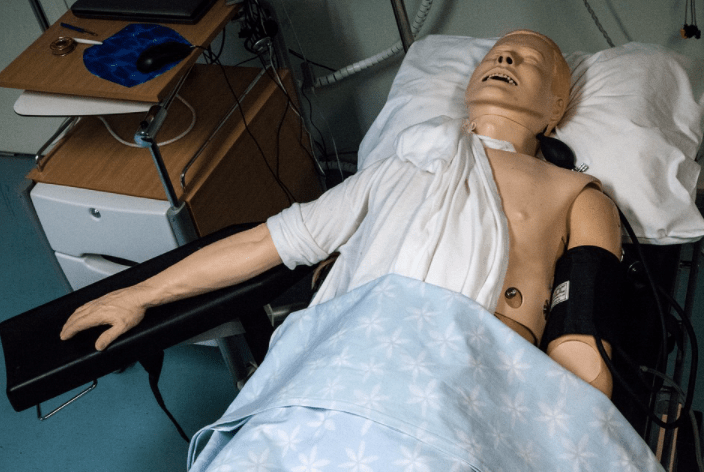
In immersive assembly, humans alone or together with technologically advanced mannequins representing strange and ordinary individual bodies can be interactive structures in which jelqing and non-emergency scenarios are performed to provide safe practice arenas for students without threat to patients or the possibility of psychological harm to students if a mistake is made about a person. However, the normal drawback of electronic simulation not leaving functional education alone has become a considerable advantage because virtual simulation could fill the void in health care education when medical arenas are closed.

The Importance of Simulation Infrastructures for Healthcare Students

Healthcare SimulationSimulation centers are nearly ubiquitous in medical and nursing schools; many wellness programs now incorporate simulation to reinforce clinical encounters and educational articles. In the past couple of years, simulation has gained popularity as part of exceptional healthcare programs and offers exceptional educational benefits supported by studies demonstrating its effectiveness. Some pre-licensure applications, such as nursing, have begun using simulation to replace clinical hours, with the help of researchers and state licensure boards, after recent radical, multi-center research showed that highly excellent simulation could replace up to 50% of clinical hours and produce comparable educational outcomes.

Benefits of Healthcare Simulation in General

Simulation facilities are considered a game-changer of quality health education and openness to student learning, but we have never had to do so as we do now in the dearth of clinical experiences. Considering that many wellness schools are well prepared to enhance their curricula with artificial simulators independently or in conjunction with virtual simulation, many cannot completely replace clinical classes with virtual simulation alone.

Moreover, the simple fact that immersive simulators are not potential suggests that this alteration in educational programming must occur at Mach speed to avoid thousands and tens of thousands of health care students being in an environment where To be sure, we can keep the flow of health care workers into the future. We need more health care workers, and we want them today.

exercise

4 Tips to Maintain Good Health

It’s no secret that staying healthy is essential. If you want to live a long and happy life, you need to take care of your body. There are many things you can do to stay healthy, but today we’re going to focus on four particularly important tips. Follow these tips, and you’ll be well on your way to maintaining good health.

Drink Plenty of Water

Drinking lots of water is essential for good health. Water helps to flush toxins out of your body, keeps your skin looking healthy, and can even help to prevent headaches. Make sure you’re drinking eight glasses of water every day. This is very important because if you’re not properly hydrated, your body won’t be able to function at its best. Water is essential for good health, so make sure you’re getting enough.

Eat a Balanced Diet

dietA balanced diet is key to maintaining good health. Eating various healthy foods will give your body the nutrients it needs to function properly. Avoid processed foods and sugary drinks as much as possible. Eating a balanced diet will help you stay healthy and feel your best. Some people make meal plans and track their macros to ensure they’re getting all the nutrients they need. This is how they ensure that they are getting enough nutrients.

Exercise Regularly

Exercise is another important part of maintaining good health. Not only does it help you to stay in shape, but it can also reduce your risk of developing diseases such as heart disease and cancer. Make sure you’re getting at least 30 minutes of exercise every day. You can do this by going for a walk, running, or going to the gym. Exercise is a great way to stay healthy, so make sure you’re getting enough.

Get Enough Sleep

sleepSleep is important for good health. When you sleep, your body gets a chance to recover from the day and repair itself. Make sure you’re getting at least seven hours of sleep every night. This may seem like a lot, but it’s important to get enough rest. If you don’t get enough sleep, your body won’t be able to function at its best. Sleep is important for good health, so make sure you’re getting enough.

Although it’s impossible to eliminate all stress from our lives, there are plenty of things we can do to manage it better. Consider these four tips for maintaining your health and reducing stress. Applying just a few of these principles will help you live a healthier life and feel better mentally and physically. How have you managed your stress levels in the past? What worked (or didn’t work) for you? Let us know in the comments below.