
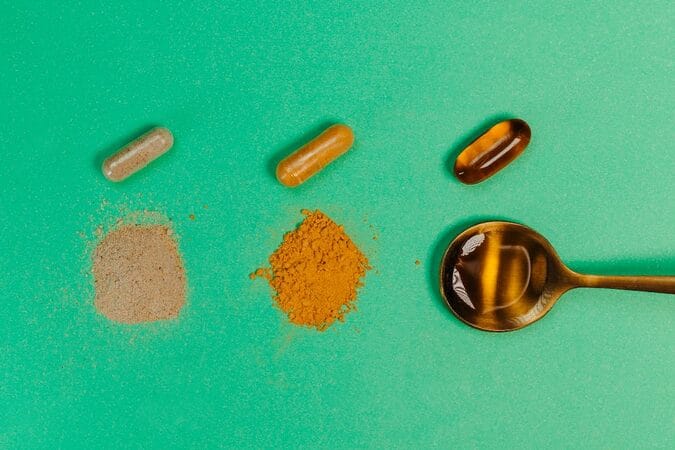
Athletes are always on the hunt for natural ways to boost performance, recover faster, and maintain hormonal balance. Ashwagandha, an ancient herb rooted in Ayurvedic tradition, has become a favorite among those looking for a natural edge. From reducing stress to supporting testosterone levels, it’s gaining attention for how it may complement training, strength development, and endurance. But what does science say? Let’s dive into how ashwagandha could help athletes step up their game.
What Makes Ashwagandha So Popular?

Ashwagandha (Withania somnifera) has been used for thousands of years to promote vitality, resilience, and longevity. In recent years, it’s gained traction in sports and wellness circles as a natural supplement that may enhance physical and mental performance. Athletes, in particular, are drawn to its reported effects on energy, strength, and recovery, all without the jittery side effects common in stimulants or synthetic enhancers.
What the Research Is Telling Us
The science behind ashwagandha and testosterone explained in recent studies shows promising results for athletes. One clinical trial found that men who supplemented with ashwagandha while doing resistance training experienced greater increases in testosterone, muscle mass, and strength compared to a placebo group. These effects seem to stem from the herb’s dual ability to support hormone levels while reducing the negative impact of stress on the body.
A Natural Way to Support Hormonal Health
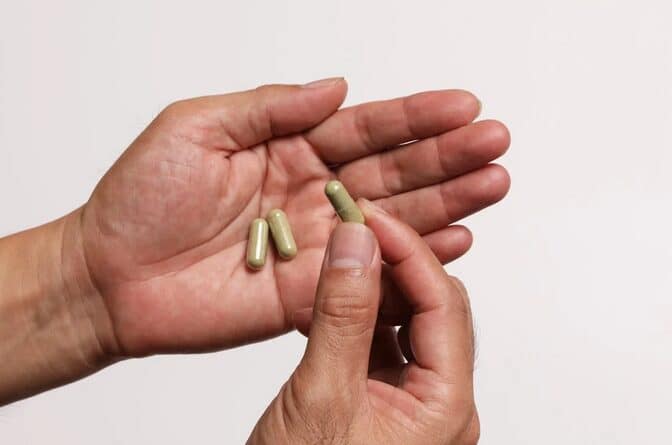
One reason ashwagandha stands out is its adaptogenic properties, which help balance the body’s hormonal responses to stress. Cortisol, the primary stress hormone, is known to suppress testosterone when elevated for long periods. Ashwagandha has been shown to lower cortisol levels significantly, which in turn may help maintain or even improve testosterone production—an essential hormone for athletic performance, recovery, and muscle development.
Strength Gains and Recovery Benefits
Ashwagandha’s effect on muscle strength has been a standout in recent studies. In resistance-trained men, it’s been linked to noticeable gains in both upper and lower body strength. It also appears to support faster recovery by reducing exercise-induced muscle damage and inflammation. This combination allows athletes to train harder and recover more efficiently—key components of long-term progress and reduced injury risk.
Endurance and Energy Without Stimulants

Unlike pre-workouts that rely on caffeine or other stimulants, ashwagandha provides a smoother, more sustainable energy boost. Some studies show improvements in VO2 max and cardiovascular endurance, making it appealing not only for strength athletes but also for runners, cyclists, and anyone looking to enhance overall stamina. The absence of a crash or dependence makes it ideal for long-term use.
Cognitive Support for Better Performance
Athletes don’t just rely on physical strength—they need mental sharpness, too. Ashwagandha may offer cognitive benefits by improving focus, reaction time, and memory, particularly under stress. Its ability to calm the nervous system while keeping you mentally alert can be especially useful during competitions, demanding workouts, or high-pressure game scenarios.
Ashwagandha is more than just a trendy supplement—it’s a well-researched herb with real potential to support athletes naturally. From promoting testosterone levels and reducing stress to aiding strength and recovery, its benefits are hard to ignore. For those looking to get more out of their training while staying balanced and resilient, adding ashwagandha to your supplement routine might just be the smartest move you make this season.




 Before deciding on a doctor, you should meet with him in person because he may not have the manners you desire. This dialogue will help you find out if he has an excellent personality. Visiting the doctors will give you a first-hand experience before deciding whether to trust your whole family’s health with them or not.

 You won’t notice the salt particles you inhale because they are so small, making it incredibly easy to let them work according to the treatment. Studies have also been done on children with allergies and the effects of salt therapy on them. PubMed concluded that “the treatment group demonstrated a statistical improvement in the quality of life parameters offenses.” And “Our research study suggests that salt with halo generator may have some beneficial effects in middle-aged children” A growing number of studies show that the beneficial effect and improved quality of life of salt therapy had on victims. In addition to recent studies, salt therapy has been used as a folk medicine for centuries.