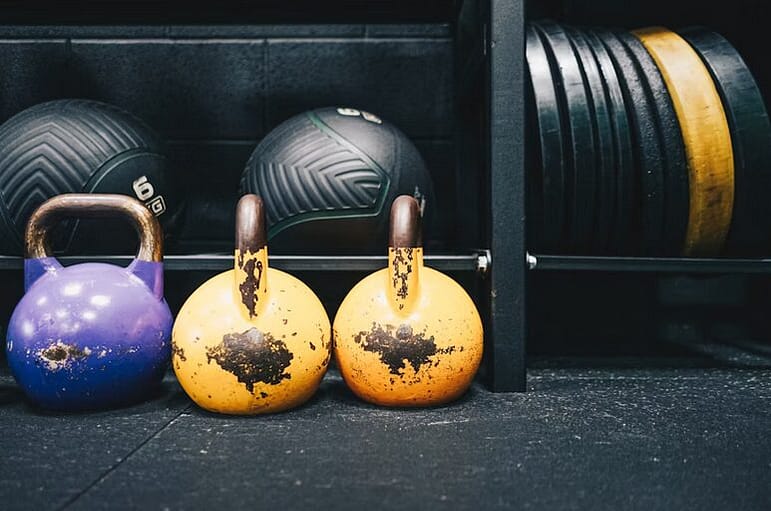
Back pain is one of the most common complaints among adults. Sitting for long hours, poor posture, and weak glutes all contribute to the problem. But the solution isn’t just rest or stretching. A strong, resilient back requires active effort. Building muscle support around your spine can reduce pain, prevent injuries, and improve how you move. For all those purposes, as shared on Green Heal, kettlebell training is a smart way to do it.
The Glute-Back Connection
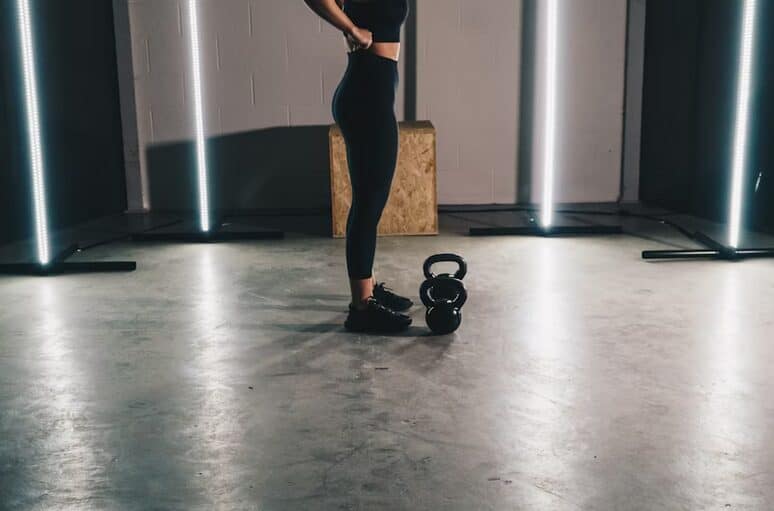
Your glutes are key players in back health. When they’re weak, your lower back takes on extra stress. This can lead to tightness, spasms, or long-term discomfort. Glutes help stabilize the hips and keep your spine in a safe position during movement. If they’re not firing properly, your back pays the price. Explosive kettlebell work targets the glutes directly. The hip hinge, swing, and clean are all powerful movements that engage your posterior chain. With consistent training, your glutes grow stronger and start doing their job, taking pressure off your lower back.
Why the Core Is More Than Just Abs
When most people think “core,” they picture six-pack abs. But real core strength is deeper. It includes your obliques, transverse abdominis, spinal erectors, and even muscles around the pelvis. These work together to stabilize your spine during both motion and stillness. Kettlebell exercises challenge these muscles constantly. Unlike machines that guide movement, kettlebells force your core to fire to keep your body balanced. Every rep trains your body to resist unwanted twisting or collapsing. This improves both control and durability.
Explosiveness for Functional Strength

Slow, controlled lifts have their place. But in real life, power matters. You need to move quickly and safely, whether it’s picking up a child or catching yourself from a fall. Explosive strength gives you that edge. Kettlebell swings are one of the best ways to train for it. With each rep, you learn to engage your glutes, brace your core, and move with purpose. The rapid force followed by a brief recovery mimics how your body naturally works during sport or daily life. Snatches, cleans, and high pulls build on this. They involve more speed, timing, and muscle coordination. These dynamic patterns teach your body to fire in sequence from hips to shoulders, reducing strain on the lower back.
Proper Mechanics to Prevent Injury
To get the most from kettlebell training, form matters. A poor hinge or rounded spine can do more harm than good. Start with lighter weights. Master the hip hinge before progressing. In a proper hinge, the glutes and hamstrings drive the movement, not the back. Keep your core tight through every rep. Don’t let the kettlebell pull you forward. Your spine should remain neutral at all times. If you’re unsure, record your movements or consult a certified trainer. Attention to detail ensures you’re building strength without risking strain.
Minimal Equipment, Maximum Impact

Kettlebells offer a compact, powerful way to train. You don’t need a full gym. One or two kettlebells are enough to develop real strength. They save space, time, and money, making them ideal for home workouts or busy schedules. You can combine strength, conditioning, and mobility in one session. A 20-minute kettlebell workout can hit your glutes, core, and back harder than an hour on machines. The result is a body that performs better in everything else you do.
A strong back isn’t just about lifting more. It’s about moving better. It means fewer days sidelined by pain and more confidence in daily tasks. With explosive kettlebell work, you train your body to react, stabilize, and recover fast. Over time, this builds more than muscle. It builds control. It teaches your nervous system to activate the right muscles at the right time. That’s what makes the back bulletproof, not just strength, but smart strength.
 One of the best ways to maintain weight you have lost is to exercise often. Exercise helps burn calories and can help keep your metabolism up. It also helps to build muscle, which in turn helps burn more calories. Try to fit in at least 30 minutes of exercise most days of the week.
  Of course, diet is also important for
 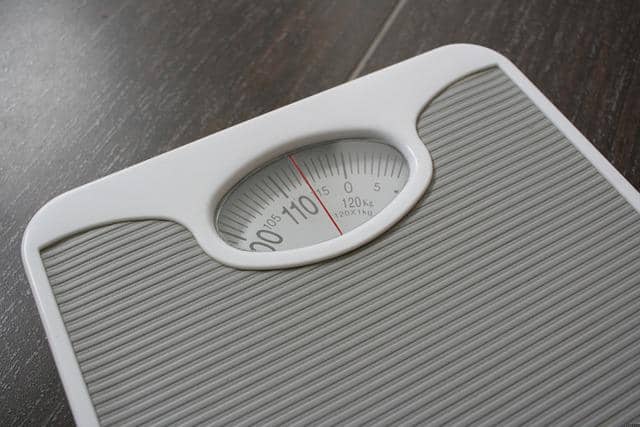 The last way to make sure you’re maintaining your weight loss is to weigh yourself regularly. This can help you catch any small weight gain before it becomes a big problem. Try to step on the scale at least once a week. You need to write down your weight each time so you can see if there is a trend. If you start to gain weight, you can take action right away to get back on track. This is also one way for you to keep track of your progress.
 A balanced diet is key to maintaining good health. Eating various healthy foods will give your body the nutrients it needs to function properly. Avoid processed foods and sugary drinks as much as possible. Eating a balanced diet will help you stay healthy and feel your best. Some people make meal plans and track their macros to ensure they’re getting all the nutrients they need. This is how they ensure that they are getting enough nutrients.
 Sleep is important for good health. When you sleep, your body gets a chance to recover from the day and repair itself. Make sure you’re getting at least seven hours of sleep every night. This may seem like a lot, but it’s important to get enough rest. If you don’t get enough sleep, your body won’t be able to function at its best. Sleep is important for good health, so make sure you’re getting enough.