
Stress is supposed to be temporary. Your body hits the panic button, handles the threat, then settles down again. That system works great if you’re escaping a bear or slamming the brakes in traffic. It works terribly when your brain thinks every email notification is a tiger hiding in the bushes. Here’s the weird part. Chronic stress does not just affect your mood. It can physically reshape how your brain functions over time. And no, this is not dramatic wellness-influencer talk. Brain imaging studies actually show changes in memory, emotional control, and decision-making after long periods of pressure.
Your Brain Starts Prioritizing Survival Mode
The human brain loves efficiency. If stress keeps showing up daily, your brain adapts like an overworked employee trying to survive a chaotic office. It starts favoring fast reactions instead of calm thinking. That shift heavily affects the amygdala. This part handles fear and emotional responses. Under chronic pressure, the amygdala becomes more reactive. Small problems suddenly feel gigantic.
Somebody cuts you off in traffic, and your nervous system reacts like you’ve entered the final boss level of a video game. Meanwhile, the prefrontal cortex takes a hit. That region helps with focus, planning, and self-control. Ever walk into a room and completely forget why you’re there? Chronic tension can contribute to that foggy feeling. People often blame themselves for becoming “bad at life.” In reality, their brains have been stuck in emergency mode for months.
Your Body Joins the Chaos Too
People love separating mental and physical health like they are roommates who never interact. That is not how biology works. Chronic pressure affects the entire body. Muscles tighten constantly. Digestion changes. Blood pressure can climb. Some people grind their teeth so hard at night that they wake up feeling like they chewed concrete for dinner. Inflammation also rises over time. Researchers have linked prolonged stress to higher risks of heart problems, weakened immune response, and burnout symptoms. The body keeps paying the price long after the stressful event ends.

Memory Gets Weirdly Slippery
One of the strangest effects involves memory. Long-term stress increases cortisol production, and too much cortisol can interfere with the hippocampus. That’s the part tied to learning and storing memories. You may notice names slipping away faster. Conversations become harder to recall. Reading a page three times suddenly feels normal.
It’s frustrating because many adults assume they are becoming lazy or less intelligent. Your brain is basically juggling flaming bowling pins while somebody keeps adding more pins. Eventually, one drops. Then another. Mental exhaustion is not imaginary. Sleep problems make the cycle nastier. Poor sleep raises stress hormones further, which hurts memory again. It becomes a loop that feels like being trapped on a malfunctioning treadmill.
Small Habits Can Start Reversing the Damage
Here’s the encouraging part. The brain has plasticity. That means it can adapt again in healthier ways when given the chance. Exercise helps regulate stress hormones surprisingly well. Even brisk walking changes brain chemistry. Sleep matters massively too. One consistent week of better sleep can improve focus and emotional balance more than people expect. Also, simply talking with trusted friends lowers stress responses in measurable ways. Humans are wired for connection, even the introverts hiding behind noise-canceling headphones.

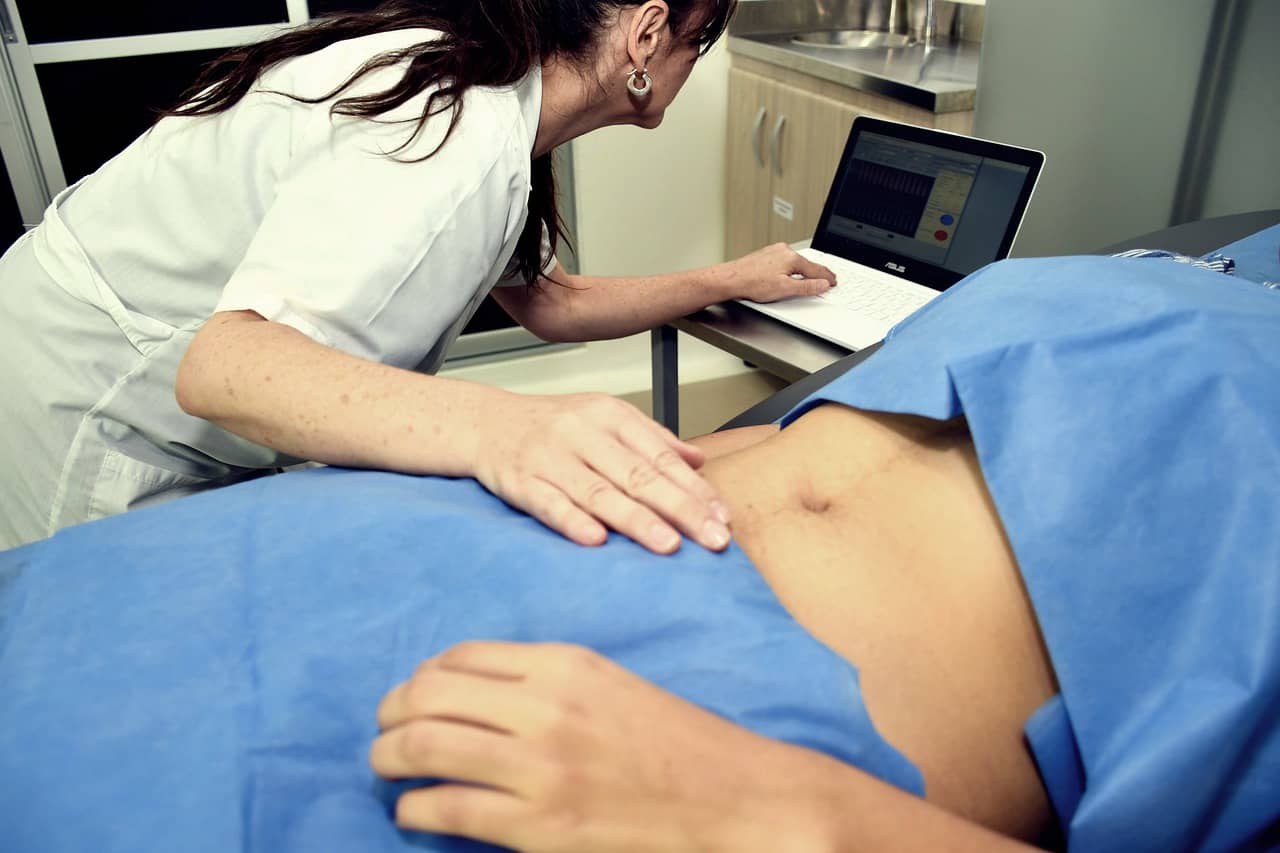 The stoma requires rigorous care and treatment, especially on its girth, as well as the stoma button. You need to keep it completely clear at all times to avoid infection in the area. Many colostomy supplies for effective management and care. Each of these products is important and a must-have product that you will always need after surgery. If you already know what a colostomy is and what to expect before you have surgery, this should come as no surprise. However, if you had emergency surgery and getting an ostomy was the last thing you expected, your doctor will have a lot to tell you about your current condition, how it went, and that care and management are key.
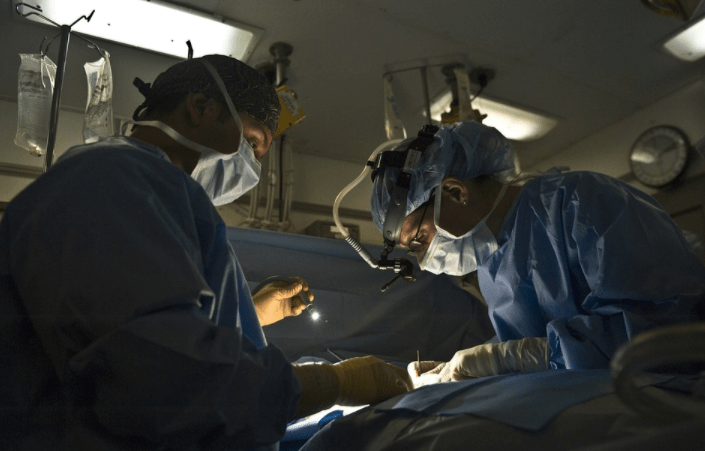 Simulation centers are nearly ubiquitous in