
Instead of taking standard treatment, many scientists believe that natural treatment is the best way to cope with any health issues. Among other natural treatments, salt therapy is getting popular these days due to its effectiveness in treating respiratory diseases. You will know the reasons why after you read an article at https://www.nailsmag.com/382553/know-your-spa-treatments-dry-salt-therapy. Now, let’s take a look further at how scientists believe salt therapy is good for you.
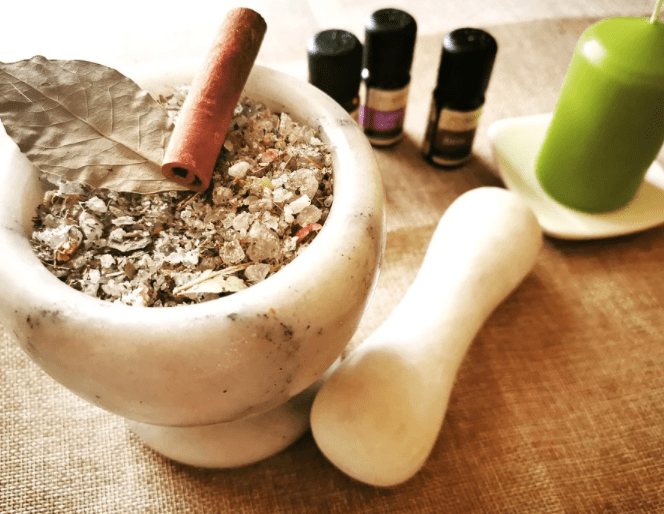
Overview of Salt Therapy
Todays, a well-known natural treatment is salt therapy. The negatively charged ions in salt (which can be found in regions such as palaces or the coast) have been shown to reduce mucus and inflammation in the lungs. The concentration of salt in human blood is now 0.9% by volume. However, scientific research showed that the amount of salt inhaled during the therapy is way less than the recommended daily salt intake hence it makes salt therapy is safe for our body.
History of Salt Therapy
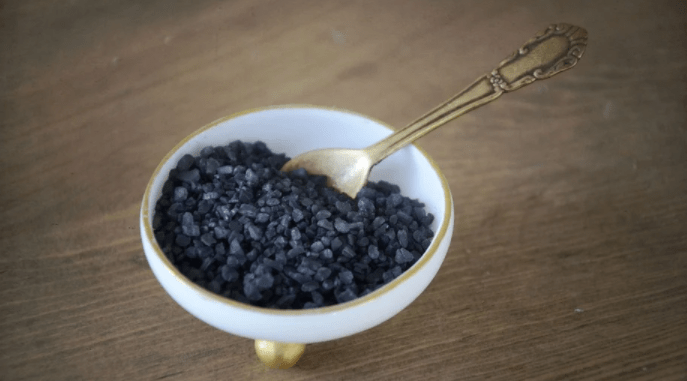 Speaking of the history of salt treatment, it has been used for centuries. The first use of salt therapy refers back to the Yogis’ religious practice called “Neti.” This practice was performed for preparation for meditation and prolonged yoga to open and clear airways of breathing. Along with mucus, they keep human airways free of dust and pollen. Krueger and Smith exposed sensitive tracheal tissue to negative ions. This accelerated cilia movement to 1,200 beats per minute and improved blood flow.
Scientific Research on Salt Therapy
Mucus secreted in the lungs protects them from freezing viruses, parasites, and germs. However, if lung mucus is not removed, it becomes toxic, reduces the number of cells and blocks the airways. For this reason, occasional exercise (halotherapy or sodium treatment) is essential to increase lung function. “Surprisingly, scientists have found that bacteria have enough collective or chemical understanding to develop and form smart colonies. These types of smart germs are called biofilms.”
In the lungs, bacterial biofilms are multicellular germs and are anaerobic, meaning they cannot live in an oxygen-rich atmosphere. They form a number of ecological niches, and the biofilm also protects against toxins and antibiotics (dangerous substances; negatively charged ions in this scenario). Therefore, the dissolved biofilm structure in the lungs could be eliminated.
Benefits of Salt Therapy
Saline therapy does more than make the lymphatic system visible. It suppresses the development of germs and kills them under certain circumstances. The phagocyte activity can increase. By masking germs’ growth, it’s much harder for them to multiply and infect your system. As a result, you’ll have fewer colds and illnesses because your body will be so efficient. All in all, these added benefits of salt therapy will only improve your life wellness.

 Adopting a healthy lifestyle is another important factor in maximizing the relief obtained from cortisone injections. This involves maintaining a balanced diet, regular exercise, and weight management. Obesity or excessive weight can place additional stress on the joints, exacerbating pain and reducing the effectiveness of the injection. By managing your weight and engaging in regular exercise, you can help support the injected joint, reduce strain, and improve overall outcomes. Additionally, consuming an anti-inflammatory diet rich in fruits, vegetables, whole grains, and lean proteins can further enhance the benefits of the cortisone injection.
 Properly managing activities and allowing adequate rest is crucial for maximizing the relief obtained from cortisone injections. While the injection can provide significant pain relief, it is important not to overexert the affected joint immediately after the procedure. Engaging in high-impact activities or repetitive movements too soon can reduce the effectiveness of the injection and increase the risk of re-injury. Your healthcare professional can guide activity modification and lifestyle adjustments to ensure optimal recovery and long-term relief.

 It is significant for the addict to hear how much their opioid abuse bothers them. Regularly point out concrete examples of how your daily life has been affected. The goal would be to break denial and encourage treatment by making the addict aware of the effects of their actions. If an opiate addict does not want to go to professional treatment, there are still options. Invite the addict’s family and friends to an intervention led by a mental health professional.