Tips for Choosing a Doctor

Choosing a doctor might sound a simple task, but it isn’t. It is common to find patients changing doctors from year to year. The doctor-patient relationship is critical, which should involve openness, concern, and trust.

A patient entrusts their life in the hands of a doctor. Therefore, the practitioner ought to be trustworthy, qualified, and smart. There are several guidelines that patients need to consider when choosing the right doctor.

Assess the Type of Medical Care You Need

Medical needs vary. Similarly, doctors don’t specialize in the same medical practice. A primary care doctor only specializes in providing home-based medical needs. He or she is the go-to doctor when one feels unwell.
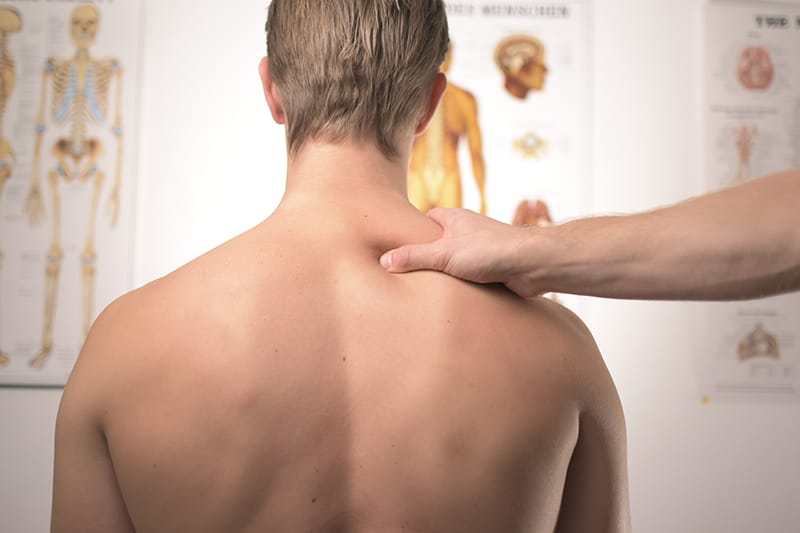
bone doctor

In most cases, people go for primary doctors for short-term needs like diagnosis, after which they are directed for treatment from a more specialized practitioner. When selecting the right doctor, it is great to consider the one that treats specific conditions that match the patient’s needs. In the medical field, there is nothing like a doctor for all.

Your Personal Preferences Matter

It is good to pick a doctor that you’re comfortable with when it comes to discussing your personal issues. Gender and age are some of the basic things that patients must consider when looking for a doctor. Some patients prefer female doctors to provide them with basic care, while others opt for male doctors. Older doctors are often taken to be experienced since they’ve handled several patients with different conditions.

a doctor holding a stethoscope

Young doctors, on the other hand, may be open to new techniques in the field. Therefore, patients should consider both sides when choosing one. Additionally, patients with chronic conditions may need a doctor they’ll rely on for the rest of their lives. Therefore, a younger doctor might be the ideal choice.

Consider Board Certification

Board certification requires doctors and other medical practitioners to complete training and pass a rigorous exam before they can treat patients. Most medical specialties also require doctors to continue with an ongoing exam or participate in educational events. Such moves help to keep a doctor updated and stay current with research and current publications in their area of medicine. Board certification helps in evaluating a doctor’s training and competency.

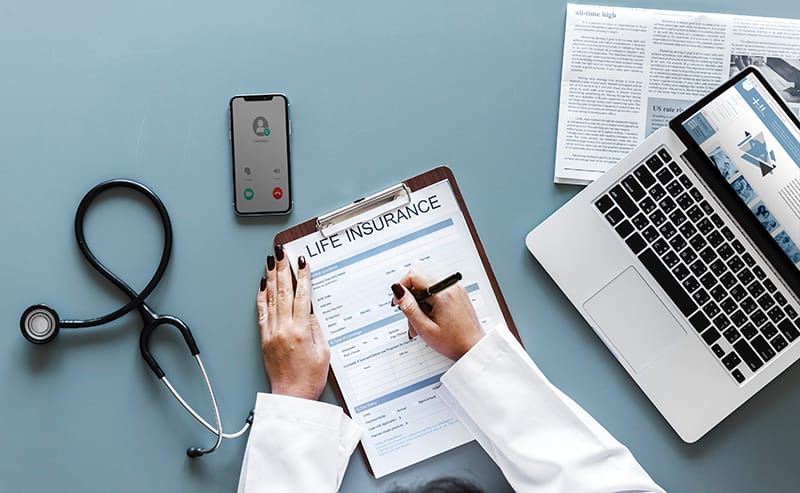
a doctor holding a documentInsurance Is Key

Insurance is paramount and should come ahead before choosing to work with any medical practitioner. This is because the step can turn out to be difficult with time. Most patients ignore the step, but it plays a pivotal role. Experts recommend that patients should choose doctors who accept their insurance plans for hassle-free payment.

Office Location

Office location matters, especially for elderly patients and those who might need regular outpatient procedures. Most patients prefer choosing a doctor who’s close to their homes for convenience and reliability. Patients can also consider if a potential doctor allows walk-ins and their specific office hours.

Choosing a doctor should be done after thoughtful consideration. The span of the doctor-patient relationship is often determined by trust, communication, and compassion between the two. A doctor’s specialty, certification, location, insurance, and personal preference are some of the key features to keep in mind when looking for one.

Related Post

Robot

An Overview of Simulation Technology in the Healthcare Industry

Simulation technology is used to train current and potential healthcare professionals and to enhance their knowledge and skills in a safe environment. Today, the wide range of healthcare simulation technologies-both physical and virtual-have many applications and offer numerous benefits to health professions schools, and healthcare facilities. If you visit https://www.anaes.fr/jcms/pprd_2974158/en/promouvoir-la-simulation-en-sante-pour-la-gestion-des-risques, you can learn about promoting health simulation for risk management.

Important Things to Know

Healthcare, like aviation, is a complicated, dynamic, and very dangerous atmosphere. It is an interdependent procedure carried out by groups of individuals who have different roles and tasks. These are all places that have been addressed in aviation education since the 1990s. Aviation and healthcare educators are collaborating to develop techniques to analyze and teach non-technical skills from the simulation environment.

Impact of Simulation in Healthcare

The expansion of high-fidelity patient simulators has been driven by the need for technical skills training. Although the value of advanced human simulation is now recognized in the tradition of human factors skills known in healthcare as team resource management. Today, online clinical simulation education is available and ready to assist in the education and practice of nurses. However, it is very important to focus on one of the most important benefits of medical simulation and how it can change the practice and understanding of this medicine.

Benefits of Simulation in Healthcare

OperationCollaborative training allows for shared learning and the opportunity to learn more about each component’s perspective in a different professional environment. The focus on these courses often provides healthcare professionals with new perspectives on how influences such as organizational culture can affect human performance and safety. Recent observed developments show how applying established training approaches in aviation to some other high-risk operations can reduce both adverse events and injuries.

woman

The Strange Way Chronic Stress Rewires the Brain

Stress is supposed to be temporary. Your body hits the panic button, handles the threat, then settles down again. That system works great if you’re escaping a bear or slamming the brakes in traffic. It works terribly when your brain thinks every email notification is a tiger hiding in the bushes. Here’s the weird part. Chronic stress does not just affect your mood. It can physically reshape how your brain functions over time. And no, this is not dramatic wellness-influencer talk. Brain imaging studies actually show changes in memory, emotional control, and decision-making after long periods of pressure.

Your Brain Starts Prioritizing Survival Mode

The human brain loves efficiency. If stress keeps showing up daily, your brain adapts like an overworked employee trying to survive a chaotic office. It starts favoring fast reactions instead of calm thinking. That shift heavily affects the amygdala. This part handles fear and emotional responses. Under chronic pressure, the amygdala becomes more reactive. Small problems suddenly feel gigantic.

Somebody cuts you off in traffic, and your nervous system reacts like you’ve entered the final boss level of a video game. Meanwhile, the prefrontal cortex takes a hit. That region helps with focus, planning, and self-control. Ever walk into a room and completely forget why you’re there? Chronic tension can contribute to that foggy feeling. People often blame themselves for becoming “bad at life.” In reality, their brains have been stuck in emergency mode for months.

Your Body Joins the Chaos Too

People love separating mental and physical health like they are roommates who never interact. That is not how biology works. Chronic pressure affects the entire body. Muscles tighten constantly. Digestion changes. Blood pressure can climb. Some people grind their teeth so hard at night that they wake up feeling like they chewed concrete for dinner. Inflammation also rises over time. Researchers have linked prolonged stress to higher risks of heart problems, weakened immune response, and burnout symptoms. The body keeps paying the price long after the stressful event ends.

thinking

Memory Gets Weirdly Slippery

One of the strangest effects involves memory. Long-term stress increases cortisol production, and too much cortisol can interfere with the hippocampus. That’s the part tied to learning and storing memories. You may notice names slipping away faster. Conversations become harder to recall. Reading a page three times suddenly feels normal.

It’s frustrating because many adults assume they are becoming lazy or less intelligent. Your brain is basically juggling flaming bowling pins while somebody keeps adding more pins. Eventually, one drops. Then another. Mental exhaustion is not imaginary. Sleep problems make the cycle nastier. Poor sleep raises stress hormones further, which hurts memory again. It becomes a loop that feels like being trapped on a malfunctioning treadmill.

Small Habits Can Start Reversing the Damage

Here’s the encouraging part. The brain has plasticity. That means it can adapt again in healthier ways when given the chance. Exercise helps regulate stress hormones surprisingly well. Even brisk walking changes brain chemistry. Sleep matters massively too. One consistent week of better sleep can improve focus and emotional balance more than people expect. Also, simply talking with trusted friends lowers stress responses in measurable ways. Humans are wired for connection, even the introverts hiding behind noise-canceling headphones.

Herbs for Weight Loss

Best Herbs for Helping Lose Weight

Being overweight can trigger various diseases in our bodies. Fortunately, there are many methods to get started. Using herbal supplements as part of your weight loss plan is considered safe and effective when done under a qualified herbal professional. You can read more about it at https://www.l-idel.fr/news/fiche-actualite.html?id=637199&idbox=47381. You are likely to seriously improve your complete health by merely losing a few pounds. There are many herbal options on the market. Some are accepted as simple teas, others as supplements or added to your regular diet.

Herbs for Weight Loss

Burdock

Burdock improves fat metabolism in our body, which helps breaks down your fat as well. It also plays a significant role as a diuretic or aids in water loss. This herb is also reputed to cleanse the bloodstream and is also rich in iron. We can use the Burdock root as a tea. It is highly recommended to take it between meals.

Ginger

Ginger has long been known for its medicinal properties. It is ideal for supporting the digestive tract. It also helps in strengthening the muscles of the gastrointestinal tract. Ginger root is valuable in therapeutic applications. It increases cholesterol levels, which helps in weight loss.

Furthermore, ginger root helps metabolism in our bodies. It promotes the freedom of the stomach. It helps in reducing bloating due to transferred food and aids in the digestion system. It also ensures the proper functioning of the digestive process. You can create a hot ginger every day.

Garlic

Garlic is another miracle food that makes you healthy and fit. It helps in reducing cholesterol and unhealthy fats. Garlic helps in losing weight because it contains antioxidants. To lose fat with garlic, you need to include it in your daily diet. It increases metabolism by eliminating toxins and increasing blood circulation. Garlic gives an excellent result when combined with a balanced diet and exercise routine. So, it is clear that with the use of garlic and ginger, fat loss is not a painful affair.

Green Tea

Green tea has the consequences of eliminating fat. And so recent research has shown that it’s true. The result showed that those who habitually drink 4 to 5 cups of green tea a day and sweating for 25 minutes could generally lose 2 pounds compared to those who do not consume tea. The result that was discovered was astounding. The study was conducted on 60 obese men and women. They drank dark green tea along with the placebo.

The research found that the individuals who drank dark green tea lost 7.3 more fat pounds than those who consumed the placebo. It happened because green tea extract is boosted with a high content of catechins. Catechins can form antioxidants. Antioxidants are good for boosting metabolism and increasing fat burning. The result is quite simple. You may gradually lose weight.