
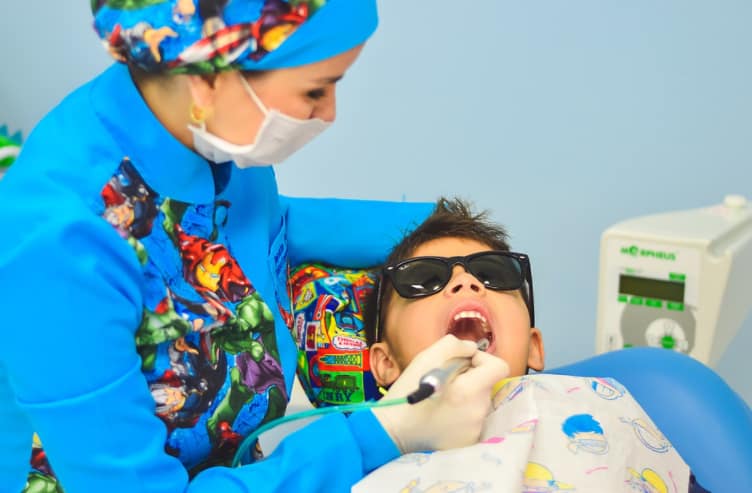
Providing dental care for your kids is one of the best ways to promote better hygiene in their younger years. If you are a parent of a child or adolescent, it is a smart move to find a pediatric dental care that you and your kids could enjoy and trust. Listed below are some of the advantages of picking a pediatric dentist over a typical dentist for your kids.
Calmer, Happier Children
Going to the dentist can be stressful for children, especially if they don’t understand what to expect at their appointment. Fortunately, pediatric dentists are trained to understand and recognize young patients’ problems. It is the goal of pediatric dentists to ensure that their patients are completely comfortable during their appointments, which means your kids are more likely to be calmer and happier before, during, and after the appointment. And, as a bonus, they’ll be less nervous about going to the dentist for their next regular dental cleaning!
Understanding Children’s Growth and Changes
From birth until the age of 18, a child’s body goes through many changes. Concerning oral health, the entire jaw moves and changes shape as the child grows into an adult. Because so many changes happen so quickly in young people, working with a pediatric dentist ensures that your child receives the best possible care during their childhood and adolescence. Pediatric dentists are familiar with the developmental stages a child goes through on his or her way to maturity, and they can help ensure a healthy smile at every stage of this process.
Awareness of Childhood Oral Health Issues
Some common childhood habits, such as thumb sucking and teeth grinding, can lead to dental problems later in adulthood or adolescence. Pediatric dentists are aware of these habits and can help you and your child develop innovative solutions to stop the behavior and improve oral health. Both children and adolescents can have bad habits like these, and a pediatric dentist will also be the highly trained professional to manage these habits and behaviors completely and safely.

 One of the best ways to maintain weight you have lost is to exercise often. Exercise helps burn calories and can help keep your metabolism up. It also helps to build muscle, which in turn helps burn more calories. Try to fit in at least 30 minutes of exercise most days of the week.
  Of course, diet is also important for
 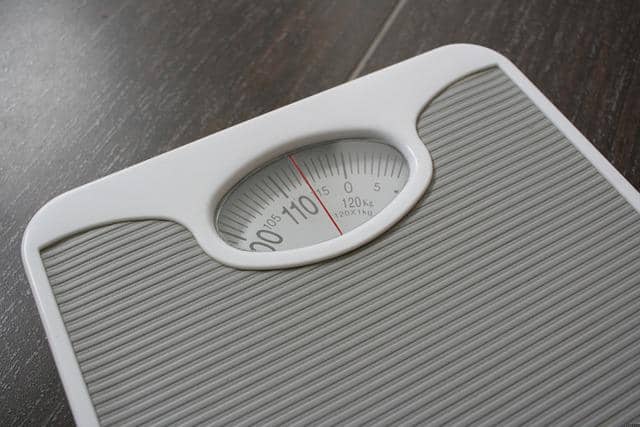 The last way to make sure you’re maintaining your weight loss is to weigh yourself regularly. This can help you catch any small weight gain before it becomes a big problem. Try to step on the scale at least once a week. You need to write down your weight each time so you can see if there is a trend. If you start to gain weight, you can take action right away to get back on track. This is also one way for you to keep track of your progress.

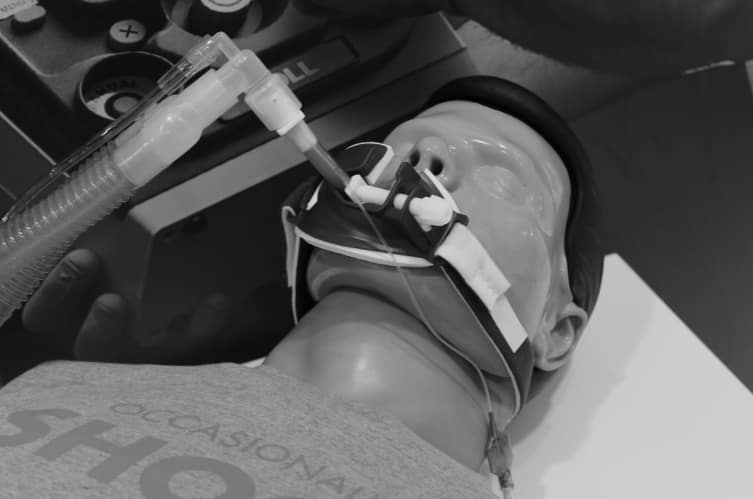 As mentioned, healthcare simulation is the main focus of many medical conferences. Hence, we will also talk about healthcare simulation. Healthcare simulation is a technique used to replace or enhance real-world encounters with guided clinics that evoke or replicate significant aspects of the real world in an interactive manner. Simulation in health care uses many different tools ranging from immersive or realistically recreated health care environments that correspond virtually to everything seen in a real clinical setting to electronically enhanced virtual wellness environments. In immersive assembly, people alone or together with technologically advanced mannequins representing abnormal and normal human bodies can be interactive setups through which aspirational and non-emergent scenarios are performed to create safe exercise arenas for students with out risk to patients along with the possibility of psychological injury to students in a mistake out some human. Nonetheless, the normal drawback of electronic simulation not leaving only practical instruction has become a big advantage in a coronavirus period because virtual simulation can fill the void in health education when medical campuses have closed.
 Let me start with the fact that you are your baby’s main source of nourishment. Your meals should include a variety of nutrient-rich foods from different food groups.
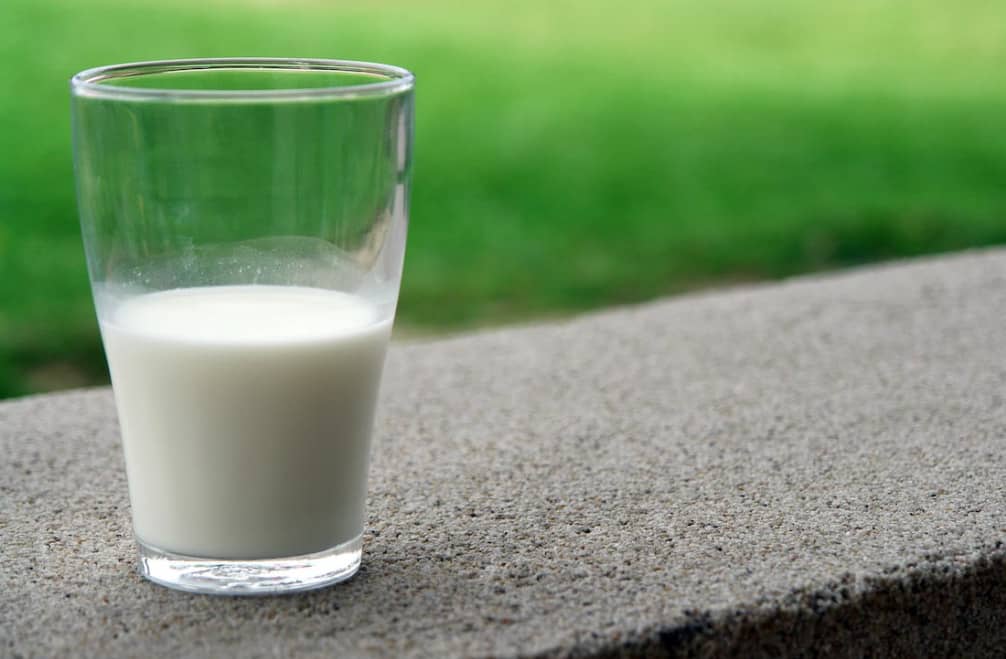 Proper calcium intake is crucial for breastfeeding mothers to ensure both their own health and the optimal development of their baby.