
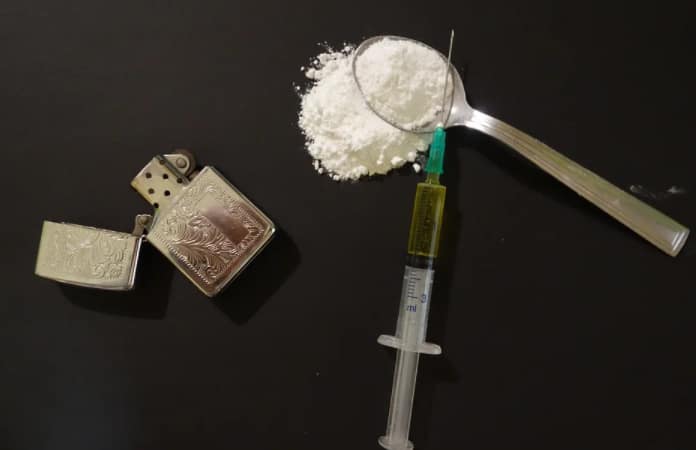
Recent studies in the U.S showed that more than 33,000 deaths related to opioids are occurring annually. As this number has skyrocketed over the past decade, chances are you know a friend, loved one, or a family member who is struggling with opioid or other drug addiction. The cycle of addiction is one of the hardest to break. But, you can ask for help to a residential drug rehab facility. You should learn more about residential drug rehab for a loved one. In this article, we will look at how you can help your family member quit drug addiction.

Offer Emotional Support
Remember that it’s about the drug, not the person. You should always avoid immediate judgments and practice optimistic empowerment: doing things that promote change. Recognize and reinforce positive efforts, such as being on time for a doctor’s appointment or going home for dinner instead of going out for drinks after work. It shows your friend or loved one that you care about their well-being and encourage other healthy behaviors.
Provide Consistent Feedback
 It is significant for the addict to hear how much their opioid abuse bothers them. Regularly point out concrete examples of how your daily life has been affected. The goal would be to break denial and encourage treatment by making the addict aware of the effects of their actions. If an opiate addict does not want to go to professional treatment, there are still options. Invite the addict’s family and friends to an intervention led by a mental health professional.
It will force the addict to face the consequences of their addiction and the pain they are causing their loved ones. An intervention’s goal is not to cause emotional harm or stress but to disrupt immunity so that your loved one is well prepared to move directly from the intervention to a treatment center. You can find a counselor to guide the intervention through the American Counsel Association’s Pro Directory.
Refrain from Negative Enabling
However, in other difficult times, avoid behaviors that allow an enthusiast to continue using opioids, called negative empowerment. As difficult as it is, don’t put an opioid addict to bed or clean up after them when they get sick. Don’t call their workplace and make statements for them when they can’t go to work. This type of permission makes it much easier to maintain the habit.
It is because the client experiences little to distress or consequences. It is important for people who live with or provide emotional support to people struggling with esophageal abuse to remember that negative enabling only further fuels addictive behavior. It forces people to deal with the effects of their addiction and motivates them to seek professional help.
Break the Stigma
There are social stigmas associated with opioid abuse, which means it’s not hard to feel ashamed to seek help, even for those trying to help the abuser. Here you can find information about anonymous family and friend, formal meetings, treatment strategies, and counselors.




 They could change over time, and they vary from person to person. Some individuals don’t have any symptoms or experience them later in life. Someone might not understand they have the celiac disease until they create a nutrient deficiency or anemia. Kids are more likely to come up with gastrointestinal symptoms compared to adults. These signs include abdominal pain, bloating nausea, nausea, weight loss, depression, and fatigue.
 For many people with celiac disease, switching to a gluten-free diet considerably enhances the symptoms, and also, an individual might notice an improvement in weeks or days. In kids, the small intestine generally heals in 3-6 weeks. In adults, complete recovery can take a few decades. When the gut heals, the body can adequately absorb nutrients out of food. Possessing a gluten-free diet is simpler than ever in some regions of the planet, where fermented choices are becoming more widely accessible.
 One of the best ways to maintain weight you have lost is to exercise often. Exercise helps burn calories and can help keep your metabolism up. It also helps to build muscle, which in turn helps burn more calories. Try to fit in at least 30 minutes of exercise most days of the week.
  Of course, diet is also important for
 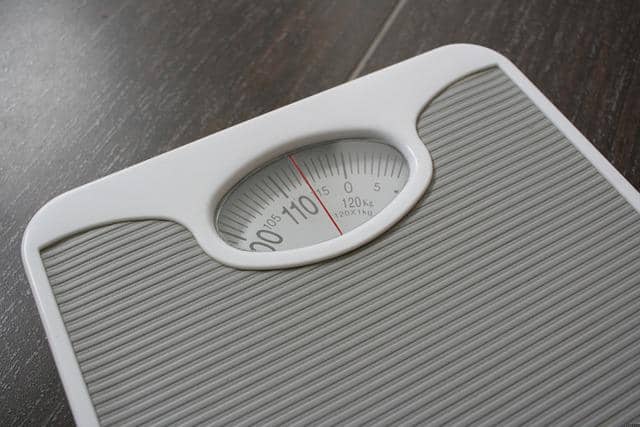 The last way to make sure you’re maintaining your weight loss is to weigh yourself regularly. This can help you catch any small weight gain before it becomes a big problem. Try to step on the scale at least once a week. You need to write down your weight each time so you can see if there is a trend. If you start to gain weight, you can take action right away to get back on track. This is also one way for you to keep track of your progress.